Ramadan 2025: The Holistic Benefits of Intermittent Fasting

As Ramadan 2025 approaches, millions of Muslims worldwide prepare for a month of spiritual reflection, self-discipline, and fasting from dawn to dusk. Beyond its religious significance, fasting during Ramadan shares similarities with intermittent fasting, a practice known for its profound health benefits. When done mindfully, Ramadan fasting can serve as a transformative experience for both the body and mind.
Physical Benefits of Intermittent Fasting in Ramadan
Intermittent fasting has been widely studied for its positive effects on overall health. According to Suhani Seth Agarwal, Head of Dietetics at Yatharth Super Speciality Hospital, Noida, fasting regulates blood sugar levels by improving insulin sensitivity, thereby reducing the risk of type 2 diabetes. Additionally, the body’s shift to using stored fat for energy during fasting periods promotes weight loss and reduces visceral fat.
This metabolic transition also triggers autophagy, a natural process that eliminates damaged cells and supports cellular repair. “Autophagy contributes to longevity and may lower the risk of neurodegenerative diseases,” says Agarwal.
Jasmine Modi, Acupuncturist and Founder of Acushashtra Pvt Ltd, highlights that Ramadan provides the perfect setting for intermittent fasting. “With extended fasting hours, the body gets a chance to reset, detoxify the liver, and activate cellular rejuvenation,” she explains.
Weight Loss and Cardiovascular Health
Dr. Addu Kiranmayi, Senior Clinical Nutritionist at Rainbow Children’s Hospital, emphasizes that fasting during Ramadan can positively impact body composition. “Research shows that fasting can lead to increased weight loss, reductions in total cholesterol, LDL cholesterol, and triglyceride levels, all contributing to improved cardiovascular health,” he notes.
For individuals managing type 2 diabetes, studies indicate that fasting for a consistent period each day and over a prolonged period can enhance insulin sensitivity and aid in blood glucose regulation.
Impact on Heart, Gut, and Brain Health
In addition to aiding metabolism, fasting has profound effects on heart, gut, and brain health. Agarwal states that fasting reduces cholesterol levels, blood pressure, and inflammation markers, all of which decrease the risk of heart disease.
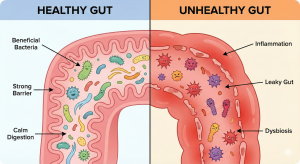
The digestive system benefits as well. By allowing the gut to rest, fasting promotes microbiome balance and enhances nutrient absorption. Many individuals report reduced bloating and improved digestion during Ramadan.
On a neurological level, fasting increases the production of human growth hormone (HGH), which aids muscle maintenance and fat metabolism. It also elevates brain-derived neurotrophic factor (BDNF), a protein associated with cognitive health, memory retention, and a reduced risk of depression. Stable energy levels and lower oxidative stress contribute to improved mental clarity and focus.
Mindful Eating: The Key to Reaping the Benefits
However, the benefits of fasting are fully realized only when one is mindful of post-fast nutrition. “Breaking the fast with wholesome, nutrient-dense foods instead of fried or processed options ensures sustained energy, improved digestion, and overall well-being,” advises Modi.
Dr. Kiranmayi points out that two overlooked aspects of Ramadan fasting are sleep quality and hydration. “Disrupted sleep patterns must be compensated for to maintain cognitive function and immune health. Sleep deprivation can lead to mood swings, weakened immunity, and hormonal imbalances, increasing the risk of chronic diseases,” he cautions.
Tips for a Healthy Ramadan Fast
To maximize the health benefits of fasting, Dr. Kiranmayi suggests the following:
Avoid high-calorie, sugary, and oily foods that can cause indigestion.
Incorporate complex carbohydrates for sustained energy, along with fiber-rich foods.
Fill half your plate with colorful vegetables, which provide essential vitamins and minerals with minimal calories.
Consume adequate protein sources like dals, whole legumes, lean meats, fish, dairy, and eggs.
Opt for healthy snacks such as fruits, nuts, and salads to maintain blood sugar balance.
Choose nutritious alternatives such as:
Broccoli-egg fritters
Hummus with homemade pita bread
Black beans and avocado on toast
Lentil soup
Low-fat yoghurts
Fruit smoothies
Grilled kebabs
Baked snacks instead of fried options
Dates-oats kheer
Millet khichdi
Sprouts salad
By combining the spiritual benefits of Ramadan with the scientifically backed advantages of intermittent fasting, individuals can achieve a transformative and rewarding experience. A mindful approach to nutrition and lifestyle during Ramadan can promote overall health, enhance cognitive function, and ensure sustained energy throughout the month and beyond.