The Hidden Power of Your Gut
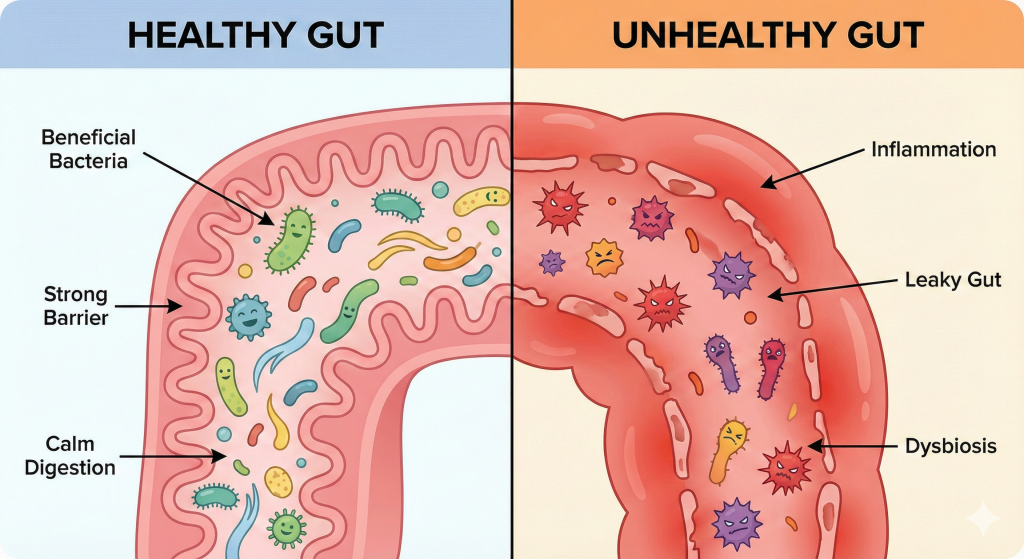
The phrase “you are what you eat” has long been used to emphasize the importance of diet, but modern science is revealing a deeper truth: you are what your gut does with what you eat. Over the past decade, gut health has gone from a niche scientific topic to a global health priority. Researchers now understand that the gut—specifically the trillions of microorganisms living inside it—plays an essential role not only in digestion but also in immunity, metabolism, mood regulation, and even chronic disease prevention.
This 2000–word article explores what gut health truly means, why it matters, how the gut microbiome works, and what practical steps can help people improve their digestive and overall health.
The Microbiome: The Body’s Internal Ecosystem
Inside the human gut lives an astonishingly complex community of bacteria, viruses, fungi, and other microorganisms collectively known as the gut microbiome. Scientists estimate that the gut houses over 100 trillion microbes, outnumbering human cells in the body. These microorganisms are not passive inhabitants; they are active participants in processes that are vital for survival.
The microbiome assists in the digestion of food components that the stomach or small intestine cannot break down, such as fiber. It helps produce vitamins like vitamin K and B vitamins, supports the immune system, and guards against harmful pathogens. Importantly, the microbiome communicates continually with the brain through the gut-brain axis, influencing mood, stress levels, and cognitive function.
A diverse and balanced microbiome is considered a sign of good gut health. Conversely, an unhealthy gut—characterized by inflammation, low microbial diversity, or an imbalance between good and harmful bacteria—can contribute to numerous health problems.
Why Gut Health Matters
- Digestive Efficiency
A healthy gut ensures smooth digestion, nutrient absorption, and regular bowel movements. Issues like bloating, gas, constipation, diarrhea, and acid reflux often indicate underlying gut imbalances. - Immune Function
Approximately 70% of the immune system resides in the gut. Beneficial bacteria help regulate immune responses and protect the body from infections. When the gut is compromised, the immune system may become overactive or underactive, increasing vulnerability to diseases. - Mental Health and Mood
The gut produces nearly 90% of the body’s serotonin, the neurotransmitter associated with happiness. Through the gut–brain axis, poor gut health can contribute to anxiety, depression, and mood swings. - Weight and Metabolism
Gut bacteria influence how the body stores fat, regulates blood sugar, and responds to hunger. Studies show that people with obesity often have different microbiome compositions compared to people with healthy weight. - Inflammation and Chronic Disease
An unhealthy gut can trigger systemic inflammation, increasing the risk of conditions such as:
Type 2 diabetes
Heart disease
Autoimmune disorders
Irritable bowel syndrome (IBS)
Certain cancers
Understanding gut health is, therefore, crucial for preventing long-term health complications.
Signs of an Unhealthy Gut
Gut problems often develop slowly and can affect seemingly unrelated parts of the body. Some common indicators include:
Persistent bloating or gas
Chronic constipation or diarrhea
Frequent heartburn
Food intolerances
Unexplained fatigue
Skin issues (eczema, acne, rosacea)
Sugar cravings
Frequent infections
Trouble concentrating (brain fog)
Mood disorders
These symptoms suggest that the gut microbiome may be imbalanced, a condition known as dysbiosis.
How Modern Lifestyles Damage Gut Health
Several lifestyle factors prevalent in today’s world negatively impact gut health. - Poor Diet
Ultra-processed foods, refined sugars, low fiber intake, and artificial additives harm beneficial bacteria. Fiber is especially crucial: it feeds good bacteria and helps them thrive. - Overuse of Antibiotics
While antibiotics save lives, excessive use destroys both harmful and beneficial bacteria, causing long-term imbalances. - Stress
Chronic stress alters the gut environment, reducing microbial diversity and increasing inflammation. - Lack of Sleep
Studies show that irregular sleep patterns disrupt gut bacteria, weakening the gut–brain connection. - Sedentary Lifestyle
Physical activity promotes microbiome diversity, but modern sedentary habits can do the opposite. - Environmental Toxins
Pesticides, pollutants, and certain chemicals can impair gut function and irritate the intestinal lining.
Understanding these risks makes it easier to adopt healthier habits that support the gut.
The Gut-Brain Axis: A Two-Way Conversation
One of the most fascinating discoveries in health science is the link between the gut and the brain. The gut is often called the “second brain” because it has its own nervous system—the enteric nervous system—which functions independently of the brain. This complex system communicates with the brain through:
The vagus nerve
Hormones
Neurotransmitters
Immune molecules
This connection explains why gut issues are closely linked with mental health. Stress can worsen digestive symptoms, and gut inflammation can exacerbate anxiety or depression. Improving gut health, therefore, can enhance mental clarity, improve mood, and support emotional well-being.
Gut Health and Immunity: The First Line of Defense
A healthy gut is essential for a strong immune system. Beneficial bacteria provide a protective barrier on the intestinal lining, blocking harmful pathogens from entering the bloodstream. They also help the body differentiate between harmful invaders and harmless substances, reducing the risk of allergies and autoimmune disorders.
When the gut barrier becomes weakened—a condition often called leaky gut syndrome—toxins and undigested food particles can pass into the bloodstream, triggering inflammation and immune reactions.
Supporting gut integrity is therefore key to lowering inflammation and strengthening immunity.
Foods That Support a Healthy Gut
Diet has the most powerful effect on the gut microbiome. Here are the key categories of gut-friendly foods: - High-Fiber Foods
Fiber acts as fuel for good bacteria. Examples include:
Whole grains
Lentils and beans
Vegetables like broccoli, spinach, carrots
Fruits like apples, berries, pears
Nuts and seeds - Fermented Foods
Fermented foods contain natural probiotics that increase microbial diversity:
Yogurt
Kefir
Kimchi
Sauerkraut
Kombucha
Miso
Tempeh - Prebiotic Foods
Prebiotics are special types of fiber that nourish beneficial bacteria:
Garlic
Onions
Bananas
Asparagus
Oats
Jerusalem artichokes - Polyphenol-Rich Foods
These plant compounds enhance microbial growth:
Green tea
Olive oil (Continued)
Cocoa
Berries
Nuts
- Healthy Fats
Omega-3 fatty acids reduce inflammation:
Fatty fish
Walnuts
Flaxseeds
Chia seeds
- Water
Proper hydration supports digestion and maintains the mucosal lining of the intestines.
By eating these foods regularly, individuals can foster a more balanced and resilient gut.