Can You Have Too Much Fruit? Health Experts Weigh In
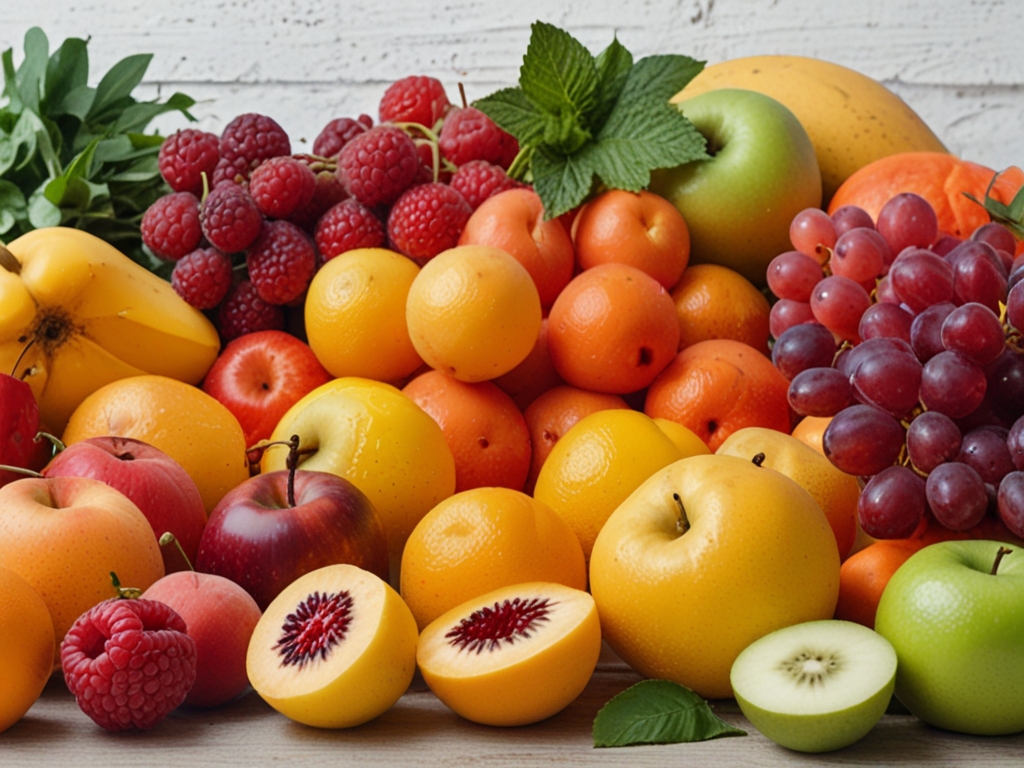
There’s an old saying that too much of anything can be harmful, and while we often associate this with indulgences like sweets or junk food, it’s not something we typically apply to fruits and vegetables. Known as some of the healthiest foods, fruits are recommended by health experts across the globe for daily consumption. However, can you eat too much fruit? According to experts, the answer might surprise you.
In a recent interview with HT Lifestyle, Dr. Swatee Sandhan, a senior dietitian at Jupiter Hospital, offered some insights that challenge our general perception of fruit. She explained that, despite their healthy reputation, consuming an excess of fruit can actually be damaging to our health.
“Before enjoying an excess amount of the fruits you love, you need to remember that eating too much fruit might be damaging to your health,” says Dr. Sandhan. “Too much fruit sugar may lead to health concerns such as weight gain, diabetes, complications with the pancreas and renal disorders, tooth decay, and deficiencies in vitamin B12, calcium, vitamin D, and omega-3 fatty acids.”
How Much Fruit is Too Much?
So, how much fruit is considered safe and healthy? According to Dr. Sandhan, moderation is key. “Consuming two fruits per day is healthy,” she explains. “Anything more than that can have harmful effects on health.” This may come as a shock to some, especially given the widespread advice to eat as many fruits and vegetables as possible. However, the natural sugars and calories present in fruit can add up, leading to a host of health concerns if consumed in excess.
Impact on Diabetes, Weight Gain, and Cardiovascular Health
One of the primary concerns about eating too much fruit is the sugar content. While the sugar in fruit is natural, as opposed to the processed sugars found in many other foods, it can still have a significant impact on your health if eaten in large quantities. Fruits like bananas, grapes, and mangoes are particularly high in natural sugars.
Dr. Sandhan explains that excess fructose, the sugar found in most fruits, can lead to serious health issues. “Consuming too much fruit might cause insulin resistance, obesity, and diabetes,” she warns. “This leads to fat buildup, which impairs glucose intolerance and regular bodily function.” Additionally, too much fructose can cause spikes in blood pressure and increase uric acid levels, which can further impact cardiovascular health.
The potential for weight gain is another consideration. Some fruits, especially those higher in calories, can contribute to an excessive caloric intake if consumed without moderation. This can lead to obesity, which in turn increases the risk for a variety of other health problems, including heart disease and diabetes.
Digestive Issues
We often hear about the importance of fiber in our diet, and fruits are a major source of this essential nutrient. However, too much fiber can have unintended consequences, particularly when it comes to digestion. While a fiber-rich diet is crucial for promoting good digestive health, consuming too much fiber through excessive fruit intake can backfire.
Overconsumption of fruit can result in indigestion, which may manifest as diarrhea, bloating, and even vitamin deficiencies. These digestive issues occur because an overload of fiber can slow down nutrient absorption in the body, potentially leading to shortages in important vitamins and minerals.
Irritable Bowel Syndrome (IBS) and Fructose
Another digestive condition linked to high fruit consumption is irritable bowel syndrome (IBS). People who suffer from IBS often experience symptoms like stomach discomfort, bloating, indigestion, constipation, and diarrhea. Excessive fructose intake, which occurs when too much fruit is consumed, is one of the primary triggers for these symptoms. For individuals with IBS or those prone to digestive discomfort, following a low-fructose diet can help manage the condition. This means being mindful of which fruits to include in their diet, as well as controlling the quantity of fruit consumed.
Variety and Balance
While this information may seem to cast fruits in a negative light, it’s important to note that fruits remain an essential part of a balanced diet. Dr. Sandhan emphasizes that fruits should still be consumed on a daily basis, but with consideration for the variety and quantity.
“It goes beyond doubt that fruits are healthy,” she says, “but that doesn’t mean you should eat them in unlimited quantities. Furthermore, it is essential to consider both the varieties of fruits and their quantities.” By selecting a diverse range of fruits and consuming them in moderation, you can still enjoy the health benefits without risking the negative consequences of overconsumption.
The Bottom Line
Fruits are a wonderful source of vitamins, minerals, fiber, and antioxidants, all of which are crucial for maintaining good health. However, like anything, they must be consumed in moderation to avoid potential health risks. Whether you’re looking to manage your weight, prevent diabetes, or keep your digestive system in check, being mindful of how much fruit you’re eating is essential.
So, the next time you’re tempted to indulge in a few too many slices of watermelon or that third banana, remember that balance is the key to a healthy diet. By paying attention to portion sizes and ensuring a variety of fruits in your diet, you can continue to enjoy these delicious, nutrient-packed foods without compromising your health.