

Turkish President Erdogan Proposes Trade-Off for Sweden’s NATO Membership at NATO Summit
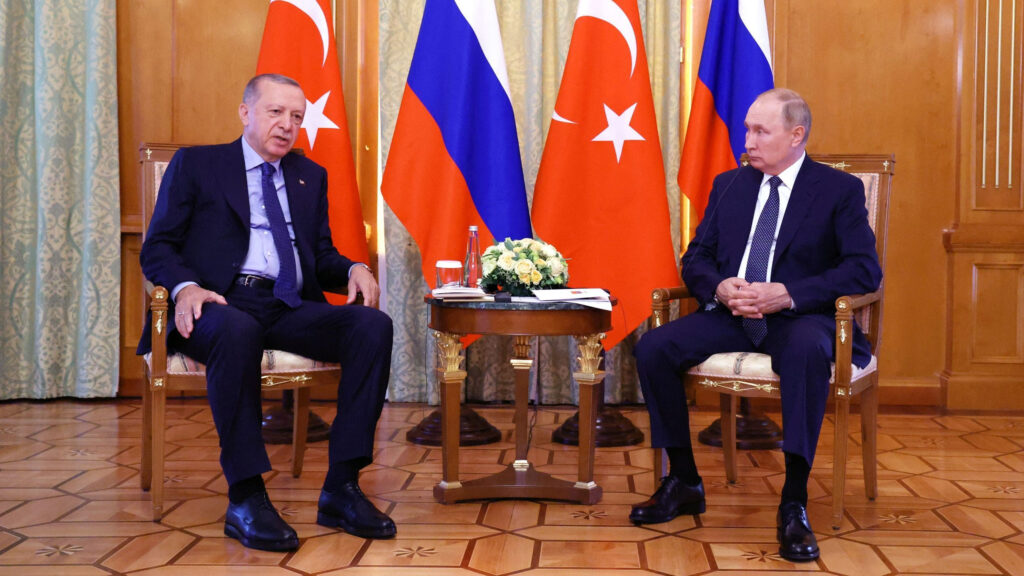
Turkish President Erdogan Proposes Trade-Off for Sweden’s NATO Membership at NATO Summit
At the recent NATO Summit in Vilnius, the spotlight was on two key issues: the ongoing Ukraine war and Sweden’s bid to become a member of the alliance. However, it was Turkish President Recep Tayyip Erdogan who stole the show with his unexpected proposal regarding Sweden’s NATO membership. President Erdogan’s statement created waves not only in Turkish media but also in numerous NATO and EU countries.
In a surprising move before departing for Vilnius, President Erdogan put forward a trade-off that caught NATO off guard. His proposal was straightforward: if Turkey’s accession process to the European Union (EU) resumed, Turkey would support Sweden’s accession process to NATO. This unexpected announcement immediately grabbed headlines and sparked intense discussions within both NATO and the EU.
However, it’s important to note that Turkey’s EU accession process is an entirely separate matter and subject to certain political and economic criteria. Ankara must fulfill these criteria before it can join the EU. While President Erdogan’s proposal addressed Sweden’s NATO membership, it failed to consider the EU component of the equation.
The decision to resume Turkey’s EU accession process lies solely with the European Council. Just as Turkey had the power to block consensus on Sweden’s NATO membership, any EU member country has the authority to halt or obstruct the resumption of accession negotiations with Turkey. It is crucial to recognize that this trade-off cannot be unilaterally implemented without the consent of all EU member states.
The debate surrounding President Erdogan’s proposal reflects the intricate web of international alliances and negotiations. It underscores the complexities involved in EU and NATO membership processes and highlights the potential impact of one nation’s decisions on others.
As the NATO Summit concluded in Vilnius, the attention now shifts to the responses from both the EU and NATO member states. The discussions regarding Sweden’s NATO membership and Turkey’s EU accession will continue to unfold, with implications reaching far beyond the Baltic region.
In the coming weeks, we can expect further analysis and debates among policymakers and diplomats as they navigate the intricate world of international relations. The decision on whether to resume Turkey’s EU accession process and the potential opening of Sweden’s NATO membership will require careful consideration, balancing the interests of various nations and the overarching goals of both alliances.
Only time will tell how this unexpected proposal from President Erdogan will shape the future of Sweden’s NATO aspirations and Turkey’s EU accession process. For now, the world watches intently as these important diplomatic discussions unfold and the chessboard of international politics continues to evolve.
At the recent NATO Summit held in Vilnius, the focus was on the ongoing Ukraine war and Sweden’s aspirations to join the alliance. However, it was Turkish President Recep Tayyip Erdogan who managed to grab the spotlight with his surprising announcement before departing for Vilnius.
Erdogan’s proposal, which made headlines in Turkish press and media across NATO and EU countries, suggested a trade-off regarding Sweden’s membership bid. The Turkish president stated, “You resume Turkiye’s accession process to the EU and Turkiye will open Sweden’s accession process to NATO.” This unexpected statement raised eyebrows and sparked discussions among diplomats and analysts alike.
While Erdogan’s proposal seemed intriguing, it is crucial to note that Turkiye’s EU accession process is a separate matter that involves fulfilling various political and economic criteria. Ankara would need to meet these prerequisites before becoming a member of the EU.
What was missing from Erdogan’s trade-off was a significant component: the European Union. Although Turkiye could potentially unblock Sweden’s path to NATO, the EU’s involvement in the equation was absent. Ultimately, the decision to resume Turkiye’s EU accession process lies with the European Council. Similarly, just as Turkiye had the power to block Sweden’s entry into NATO, any EU member country holds the authority to obstruct the resumption of accession negotiations with Turkiye.
The intricacies of international alliances and negotiations are complex, and Erdogan’s proposal has shed light on the interplay between Turkiye’s aspirations for EU membership and Sweden’s ambitions to join NATO. As discussions continue, it remains to be seen how these trade-offs and negotiations will shape the future of both Turkiye’s EU journey and Sweden’s path to NATO.
In conclusion, the recent NATO Summit in Vilnius was dominated by discussions surrounding the Ukraine conflict and Sweden’s bid for NATO membership. However, it was Turkish President Erdogan’s unexpected proposal that captured attention and generated headlines. While his offer suggested a trade-off regarding Sweden’s membership bid, it failed to address the involvement of the European Union, which plays a crucial role in Turkiye’s EU accession process. The complexity of these negotiations underscores the challenges and intricacies of international alliances and the potential impact on the aspirations of both Turkiye and Sweden.


